Showing posts with label fasting. Show all posts

Wednesday, 10 August 2016

Healthy Fasting during festive


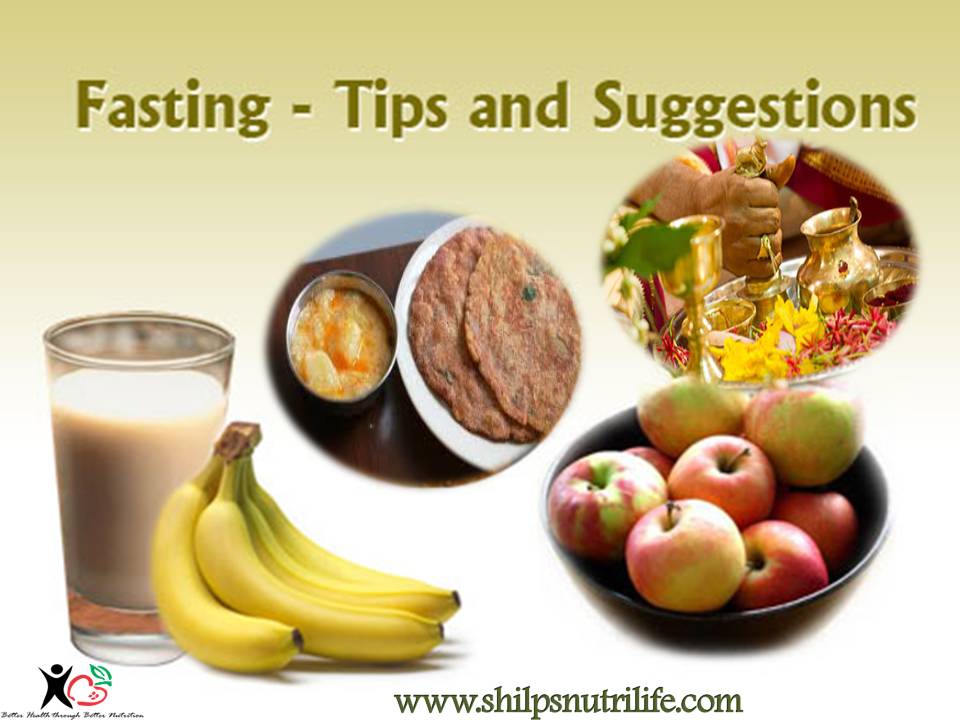
Healthy fasting during festive season
Fasting is an art and science of food abstinence for a certain period of time. Fast is undertaken by us during religious festivals like shravan, ekadhasi,navratri and various such occassions.
Slide1
“Instead of fasting, most of us end up feasting on high-calorie food. A lot of people who have just one meal a day tend to overeat. If one eats one heavy meal in the entire day, it doesn’t get converted into energy instantly but accumulates as fat in the body,” so here we bring to you a few tips which will help you get the maximum benefit.
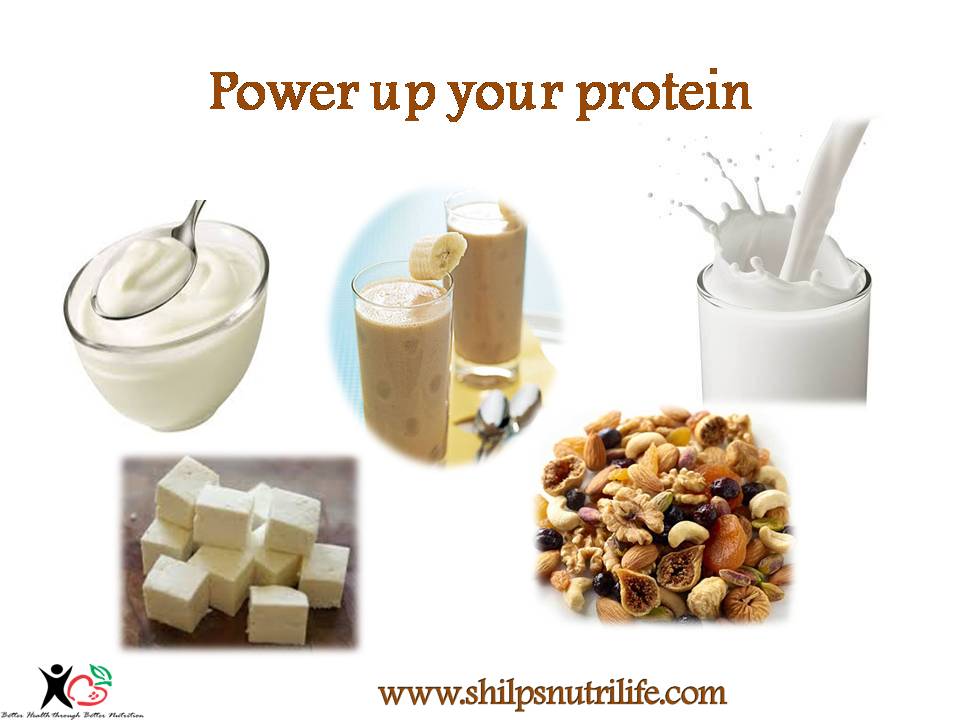
1.Power up your protein, which will help you stay alert and mentally energised. Have Milk and its products like curd, panir, nuts, dry fruits.
Slide2
2.It is important to eat small meals at regular intervals like fruits, nuts, dry fruits, coconut, makhanna, to maintain normal blood glucose levels.
Slide3
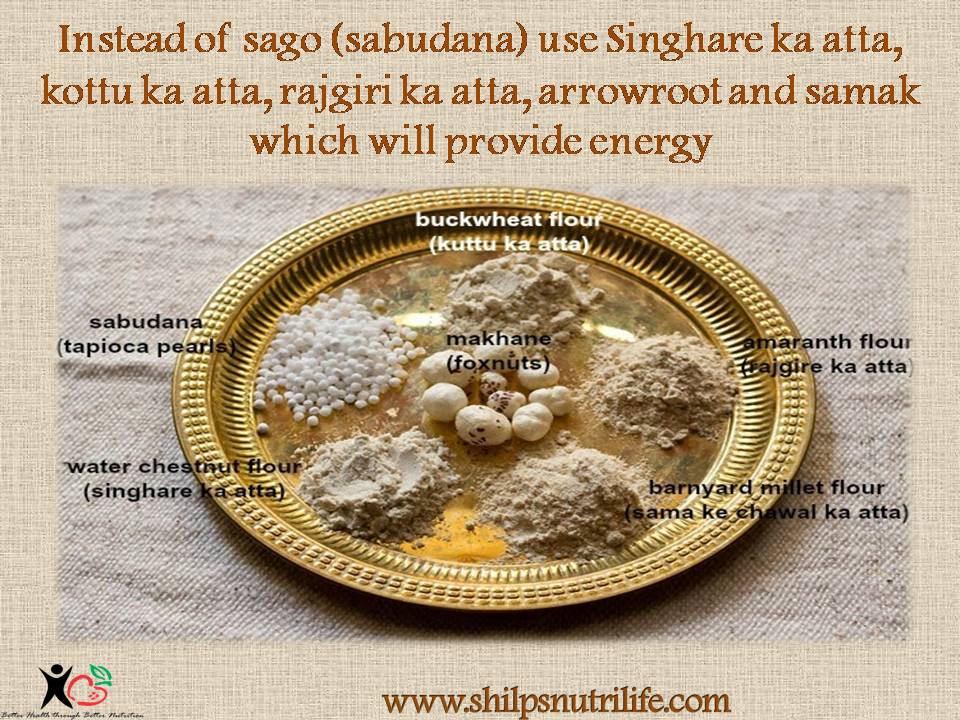
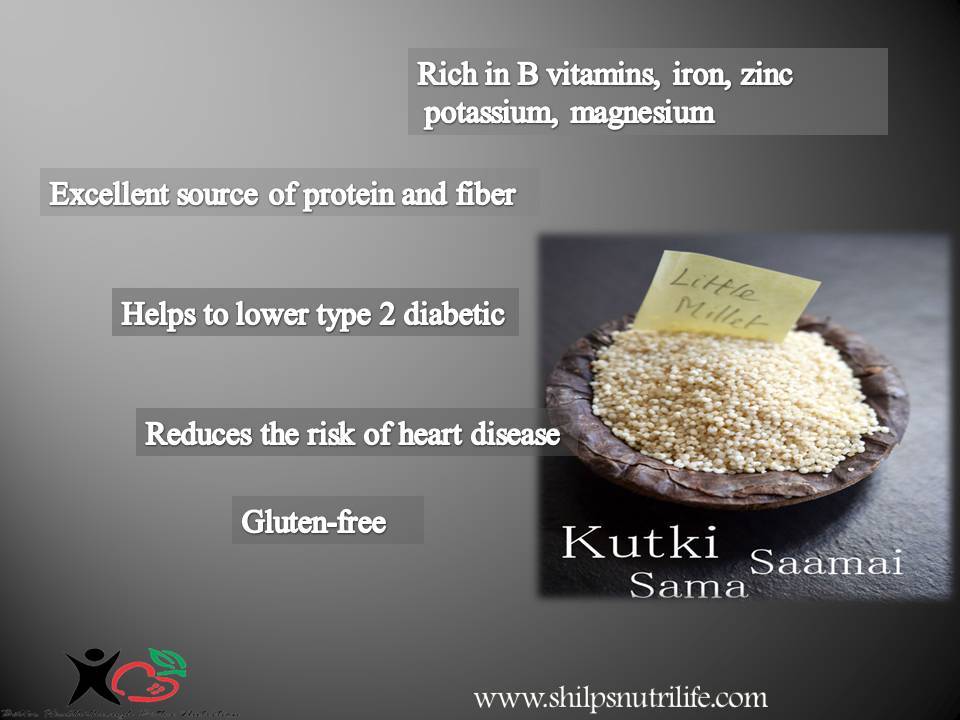
3.Instead of sago (sabudana) use Singhare ka atta, kottu ka atta, rajgiri ka atta, arrowroot and samak which will provide energy.
Slide4Slide5
Slide6Slide7
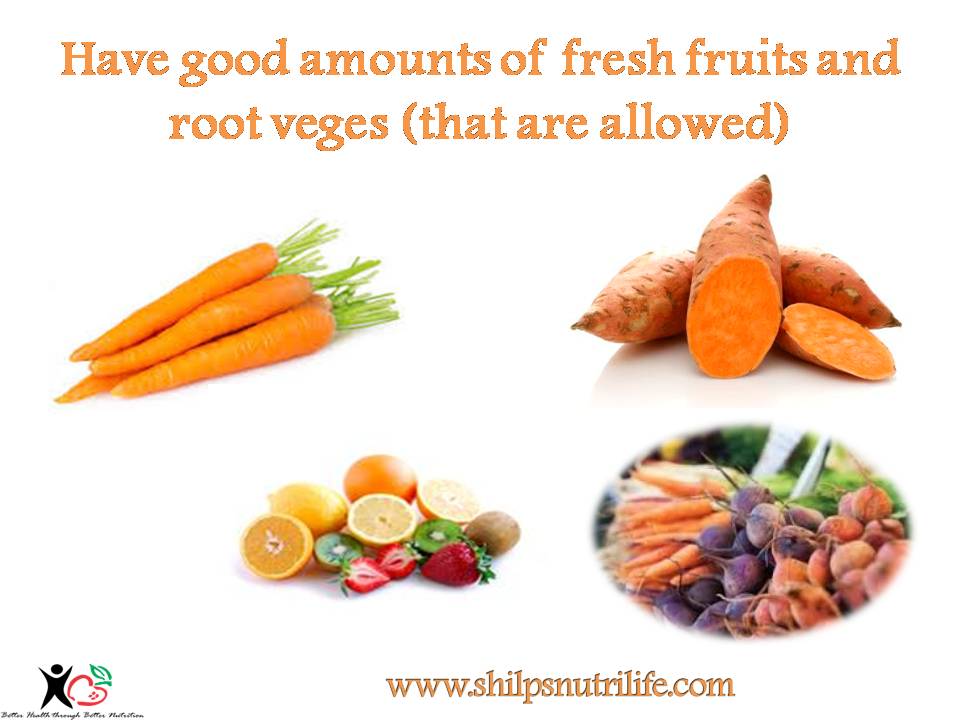
4.Have good amounts of fresh fruits and root veges (that are allowed).
Slide8
5.Hydrate well with lots of water, coconut water, lemon water, herbal tea.
Slide9
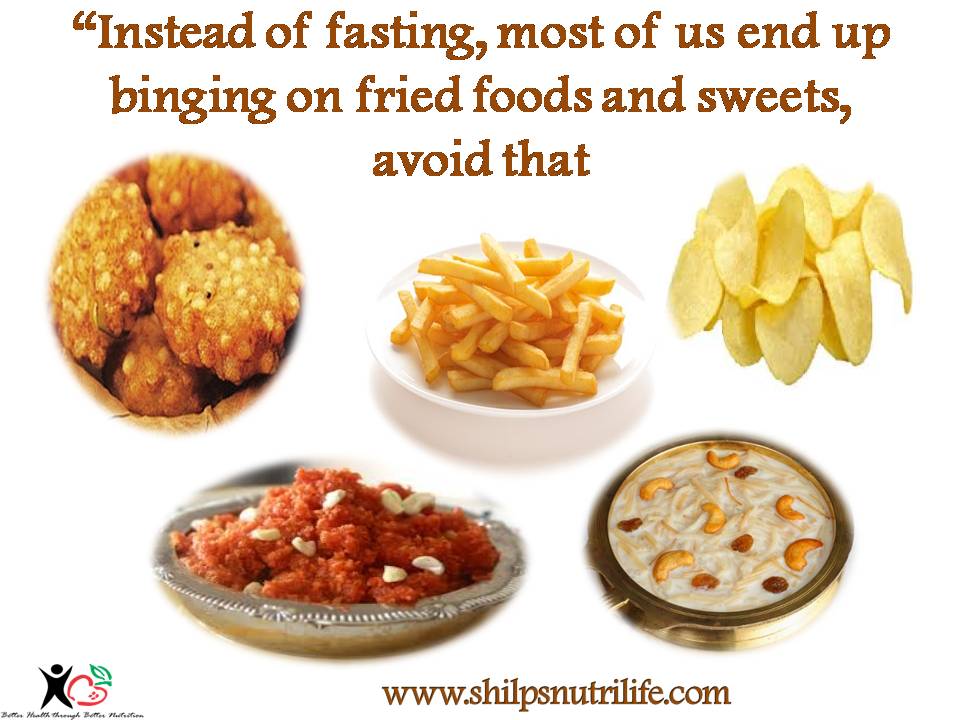
6.Instead of fasting, most of us end up binging on fried foods and sweets, avoid that.
Slide10
7.Keep the portion sizes moderate. Overeating is a greatest risk.
Slide11
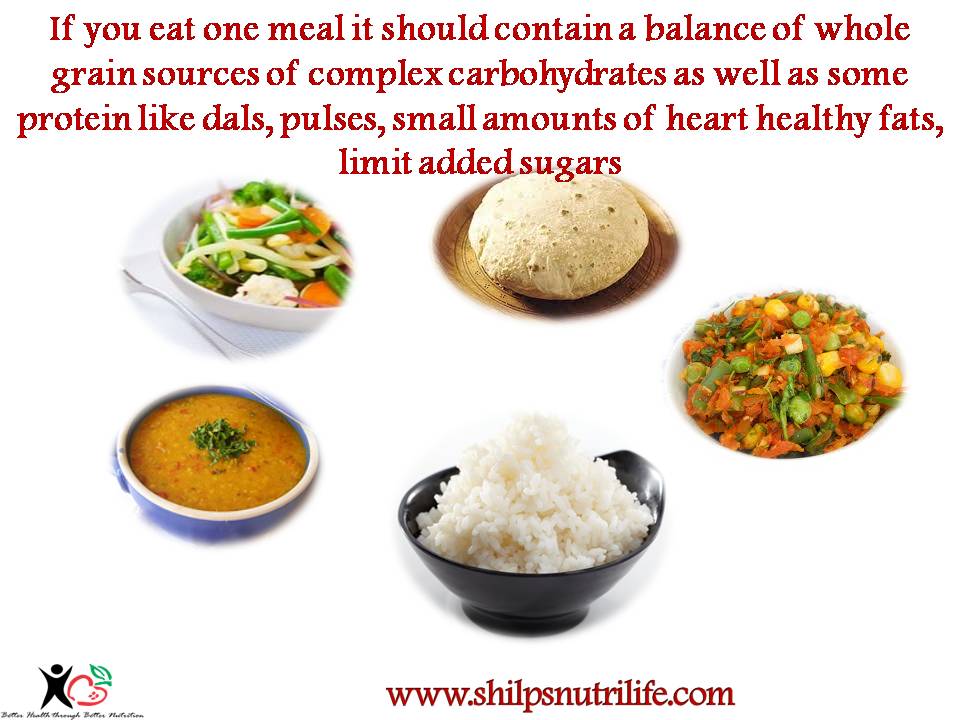
8.If you eat one meal it should contain a balance of whole grain sources of complex carbohydrates as well as some protein like dals, pulses, small amounts of heart healthy fats, limit added sugars.
Slide12
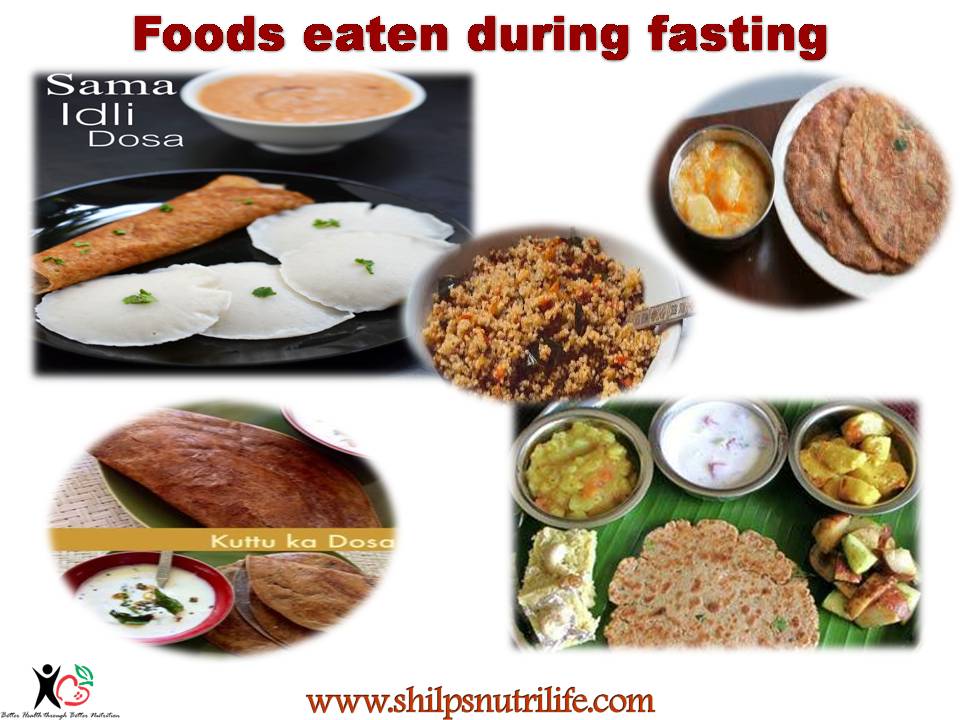
9.Foods eaten during fasting
Slide13
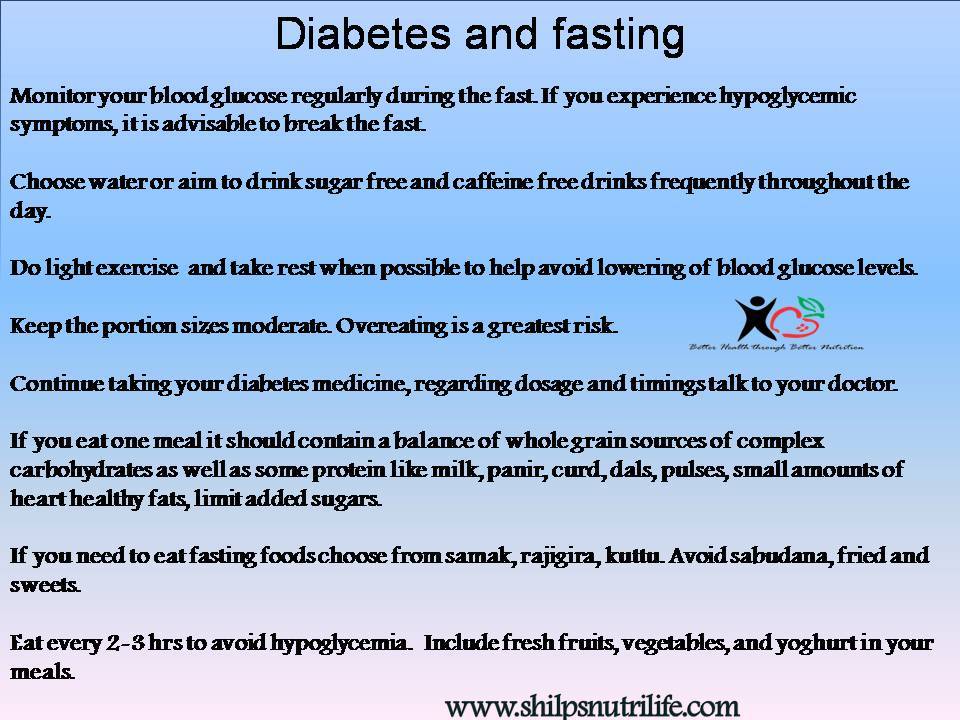
10.Diabetes and fasting
Slide14
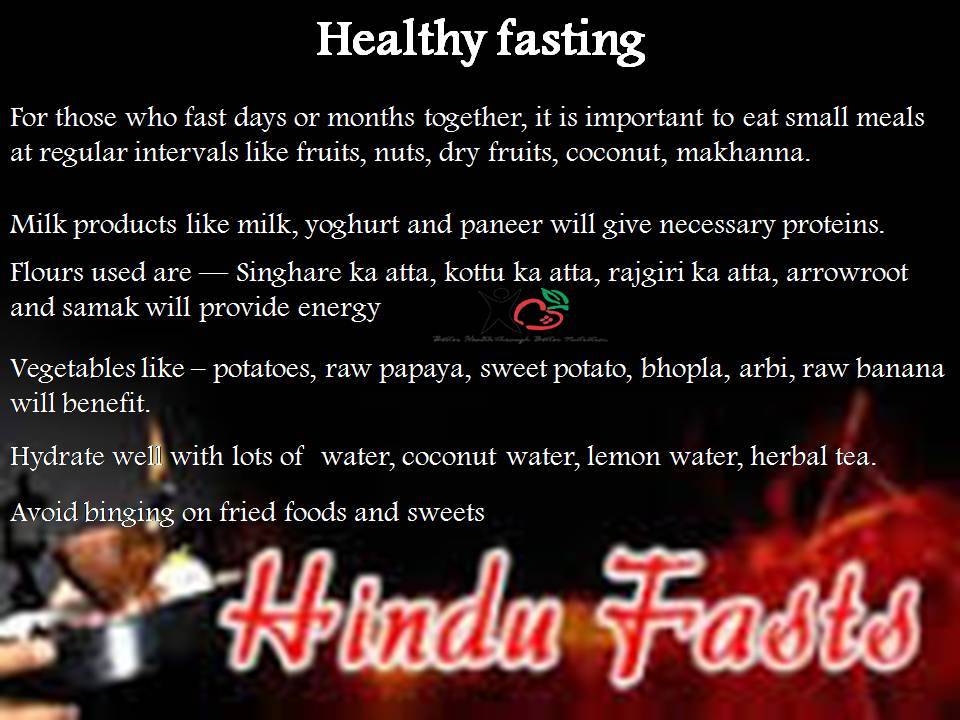
11. Summary
Slide15


Mrs Shilpa Mittal
Nutritionist and Diet Consultant
Founder Shilpsnutrilife - Diet and lifestylemakeover

Wednesday, 24 July 2013

Don't skip Suhoor (pre-dawn meal)

Don't skip Suhoor (pre-dawn meal)


Suhoor is regarded as a benefit of the blessings in that it allows the person fasting to avoid the crankiness or the weakness caused by the fast.

Eat suhoor(sehri) just prior to dawn. Yes, it's hard to get up at that hour, which is why it has many benefits and rewards. And this morning meal is generally recognized as the single most important meal of the day. as this is needed to get you through the day. Many people eat a late night meal and sleep through till the dawn prayers. This is not advisable.
 
Skipping Suhoor prolongs the fasting period as your body will need to rely on the previous meal to provide you with all the nutrients and energy until Iftar (dinner). Due to the longer hours of fasting, you are more likely to feel dehydrated and tired during the day. Furthermore, skipping Suhoor also encourages overeating during Iftar, which can cause unhealthy weight gain.

So all those doing Ramadan please eat suhoor.


Monday, 8 July 2013

Healthy fasting during Ramdan


Healthy fasting during Ramadan

Ramadan is a month of  blessings, of piety and of enlightenment. Ramadan holds a lot of importance for Muslims because this month gives them an added likelihood of being closer to their creator; Allah. Even if you are generally healthy, recognize that Ramadan will take a toll. Plan your schedule and meals ahead of time in order to make sure you get the nutrients, hydration, and rest that you need.

AVOID

Fried and fatty foods. They cause indigestion, heartburn and weight problems.


Foods containing too much sugar like sweets.

Over-eating especially at suhur.  

Anything hot, spicy, hot or salty. Too much salty food will make your body retain water and give you the feeling of being bloated, while spicy foods also induce thirst.

Drinks with high caffeine content (coffee, tea, chocolate, sodas and even decaffeinated teas and coffees) should be avoided. Caffeine leaches calcium from your system, which means you feel less full all the time.

EAT
Eat more of complex carbs

Due to the long hours of fasting, we should consume slow digesting fibre rich foods i.e Complex carbohydrates esp at suhur so that the food lasts longer making you less hungry (called complex carbohydrates), like grains and seeds like barley, wheat, oats, millet, semolina, beans, lentils, whole meal flour, unpolished rice, etc 


Vegetables like green beans, peas, spinach, beetroot
Fruit with skin, dried fruit especially dried apricots, and prunes, dates, almonds, etc.
Bananas are a good source of potassium, magnesium and carbohydrates.


Drink sufficient water or fruit juices between Iftar and bedtime to avoid dehydration.

Eat suhoor(sehri) just prior to dawn. Yes, it's hard to get up at that hour, which is why it has many benefits and rewards. And this morning meal is generally recognized as the single most important meal of the day. as this is needed to get you through the day. Many people eat a late night meal and sleep through till the dawn prayers. This is not advisable.


Also do some light exercise, such as walking for 15-20 minutes especially in the evening hours.

Enjoy Happy Healthy Ramadan
Tuesday, 31 July 2012

Benefits of Dates Fruit (Khajoor)

Benefits of Dates Fruit (Khajoor) 


Dates are a type of sweet fruit that grows on palm trees. They have been cultivated since approximately 6000 B.C. They grow on the tree for six or seven months before they are ripe enough to eat. There are three main types of dates, which are classified based on the moisture of the flesh: dry, semi-dry and soft. The health benefits of dates are derived from the nutrients they provide.

 Fresh vs. Dried Dates

Fresh DatesDried Dates


Shelf lifeIf kept in an airtight container, stay fresh for up to 8 months if kept refrigerated, or for up to year in the freezerIf refrigerated in an airtight container stay fresh for up to one year, and if in the freezer can last up to five years


Calories 100 gm144 calories317 calories


Macronutrients

Carbohydrate33.8 g of carbohydrates75.8 g of carbohydrate
Fibre3.7g fibre3.9g fibre
Protein1.2 g of protein2.5 g of protein
Fat0.4g fat0.4g fat

Micronutrients


Calcium22 mg of calcium120 mg of calcium
Iron 0.96 g of iron7.3 mg of iron
Source:- Nutritive value of indian foods


Carbohydrates

Dates are a good source of energy. Up to 80 percent of the date flesh is sugar that the body can easily access for energy. Fresh dates have a somewhat lower percentage of sugar because they contain more moisture than dried dates, and the sugar in dried dates is more concentrated, but fresh dates are still a good source of carbohydrates. Fresh date is made of soft, easily digestible flesh with simple sugars like fructose and dextrose that when eaten replenishes energy and revitalizes the body instantly; thus, for these qualities, dates are being used to breakfast during Ramadan months. 

Minerals

Dates are a particularly good source of calcium, which helps promote strong teeth and bones. Dried Dates are an excellent source of iron, being a component of hemoglobin inside the red blood cells, determines the oxygen carrying capacity of the blood.


In addition, They are good in potassium. Potassium is an important component of cell and body fluids that help controlling heart rate and blood pressure; thus offers protection against stroke and coronary heart diseases.

 Fiber

The fruit is rich in dietary fiber. Most of the fiber is of the insoluble type, meaning that its major health-promoting effect is to add bulk to stool and help food move through the intestinal tract. The fiber content helps to protect the colon mucous membrane by decreasing exposure time and as well as binding to cancer causing chemicals in the colon. It prevents dietary LDL cholesterol absorption in the gut.


They contain many health benefitting flavonoid polyphenolic antioxidants known as tannins. Tannins are known to have anti-infective, anti-inflammatory, and anti-hemorrhagic (prevent easy bleeding tendencies) properties.

Low Fat

Another health benefit of dates is that they are low fat. In 100 g of dates, only a fraction of a gram is saturated fats.
 
Muslims generally break their fast by eating dates. Prophet Muhammad (PBUH) is reported to have said: “Break your fast by eating dates as it is purifying.”

So go ahead have a few dates everyday whether dried or fresh as u wish just enjoy the benefits.............