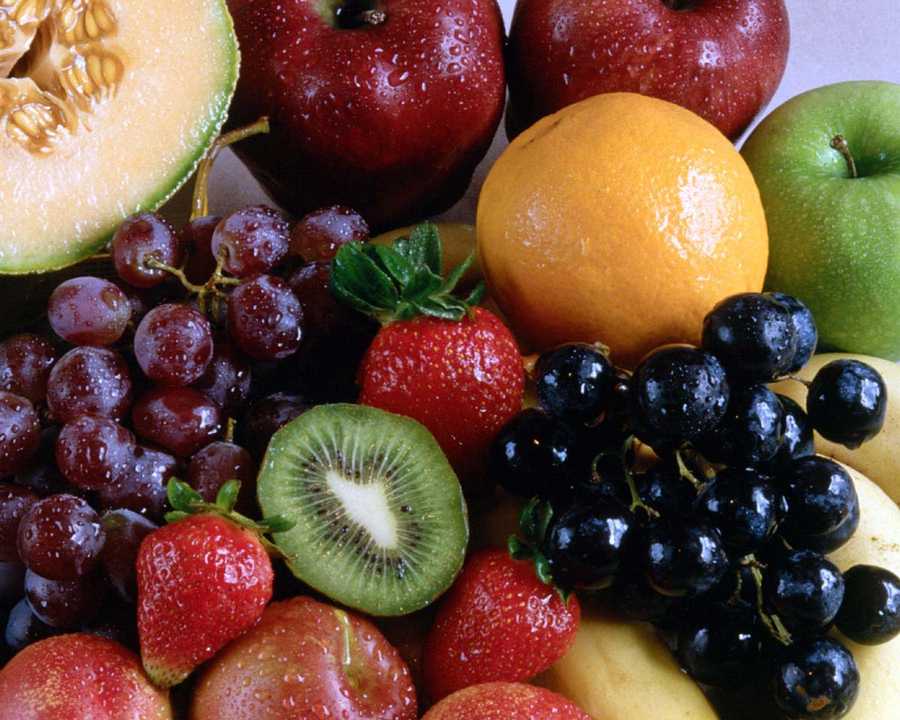
Ingredients for a Healthy Heart
Phytoestrogens are substances in plants (like flaxseed) that have a weak estrogen-like action in the body. Studies suggest that flaxseed lowers the risk of blood clots,
stroke, and cardiac arrhythmias. It may also help lower total and LDL "bad" cholesterol and triglycerides, and even blood pressure.
They are found in soy , watermelon, onions, garlic, broccoli and even in tea.
Phytosterols are plant sterols that chemically resemble cholesterol -- and seem to reduce blood cholesterol. All nuts and seeds, including wheat germ, have phytosterols.
Carotenoids are heart-protective antioxidants in many colorful fruits and veggies. Alpha-carotene, beta-carotene, lutein, and lycopene are carotenoids.
It helps to prevent the build-up of toxins in the arteries as well as having many other health-giving properties. It is found in spinach, tomatoes, cabbage, broccoli, peas, carrots and sweet potatoes.
Lycopene can be found in raw tomatoes and in any tomato product.
Polyphenols are another set of antioxidants that protect blood vessels, lower blood pressure, reduce LDL "bad" cholesterol. Flavonoid polyphenols include catechins, flavonones, flavonols, isoflavones, reservatrol, and anthocyanins.
Flavonoids inhibit the action of platelets, which are the blood cells that join to form blood clots. They are antioxidants that also help the absorption and action of vitamin C. Flavonoids can be found in fruit and vegetable, especially apples and onions.
Non-flavonoid polyphenols include ellagic acid (found in all types of berries).
Omega-3 fatty acids (found in flaxseeds, fatty fish like salmon) and
alpha-linolenic fatty acids (found in plant foods like walnuts) help boost the immune system, reduce blood clots, and protect against heart attacks. They also increase good HDL levels, lower triglyceride levels, protect arteries from plaque buildup, are anti-inflammatories, and lower blood pressure.
Vitamins A, C, E
These highly beneficial antioxidant vitamins all have the ability to prevent deposits, including fats, sticking to artery walls and can help to prevent damage to the arterial linking caused by free radicals.
Best sources of Vit A are fish oil, egg yolk, liver;
Vit C is richest in citrus fruits, kiwis, strawberries, red peppers, peas;
Vit E in avocados, chickpeas, almonds, tuna, sunflower oil and muesli.
B-complex vitamins -- like Vitamin B-12 (folate) and vitamin B-6 -- protect against blood clots and atherosclerosis, or hardening of the arteries.
This vitamin is essential for reducing levels of damaging amino acid homocysteine. It
can be found in fish, pulses, nuts, chicken and potatoes.
Niacin (vitamin B-3) helps increase HDL "good" cholesterol.
Folic acid
Folic acid helps reduce the risk of cardiovascular disease associated with high blood levels of homocysteine. It is found mainly in green leafy vegetable, mushrooms, pulses, nuts, fruits and root vegetables.
Magnesium, potassium, and calcium help lower blood pressure. Example:- coconut water, green leafy vegetable, milk n its products
Fiber-rich foods help lower cholesterol level example:- whole grains, oats, fruits, vegetables
Monounsaturated fatty acids
These lower the levels of potentially harmful LDL cholesterol and maintain the necessary levels of beneficial HDL cholesterol. They can be found in rapeseed, walnut and groundnut oils, and avocados. Olive oil is another useful source and extra-virgin olive oil also contain protective antioxidants.
Selenium
Most of us are deficient in this valuable antioxidant mineral, which works with vitamin E to mop up damaging free radicals. It is found in lentils, wholemeal bread, sardines and Brazil nuts.
http://www.medicinenet.com/script/main/art.asp?articlekey=56073&page=2