Showing posts with label fasting foods. Show all posts

Wednesday, 10 August 2016

Healthy Fasting during festive


Healthy fasting during festive season
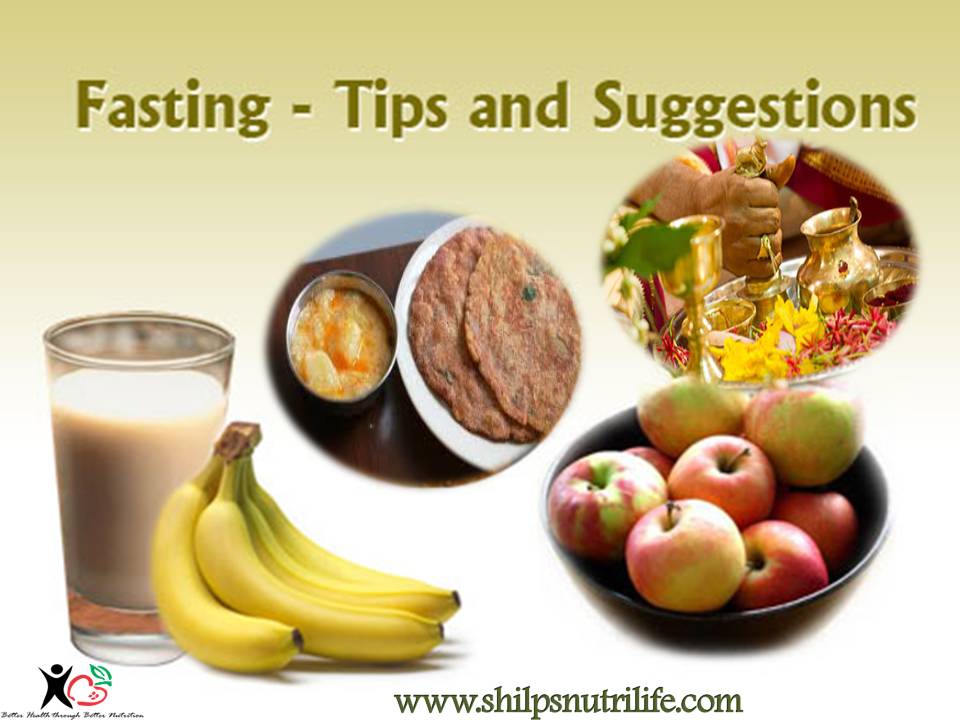
Fasting is an art and science of food abstinence for a certain period of time. Fast is undertaken by us during religious festivals like shravan, ekadhasi,navratri and various such occassions.
Slide1
“Instead of fasting, most of us end up feasting on high-calorie food. A lot of people who have just one meal a day tend to overeat. If one eats one heavy meal in the entire day, it doesn’t get converted into energy instantly but accumulates as fat in the body,” so here we bring to you a few tips which will help you get the maximum benefit.
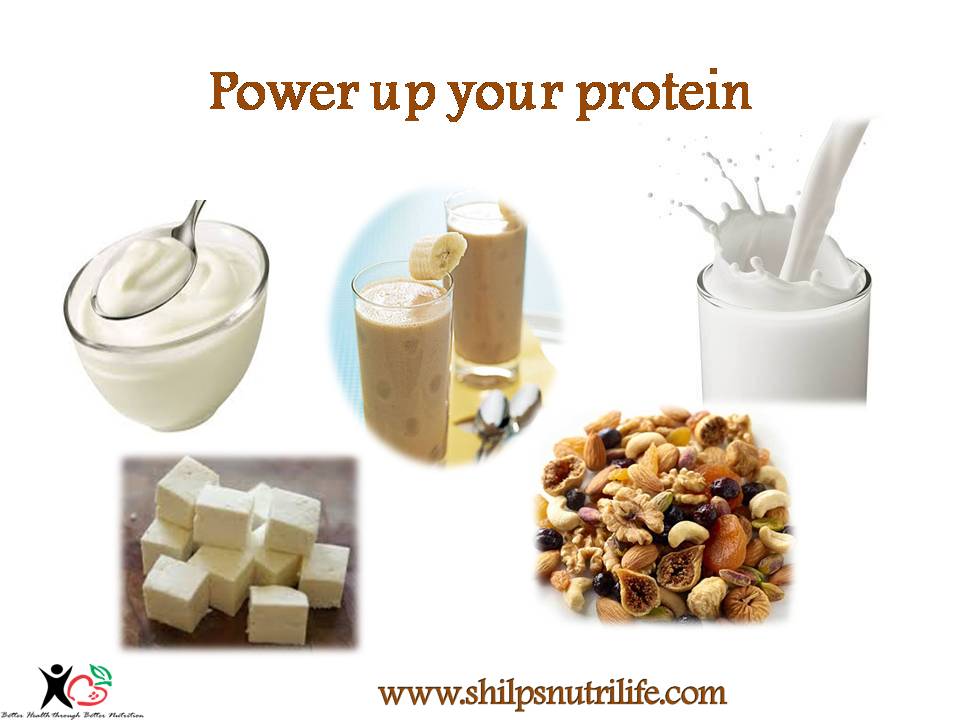
1.Power up your protein, which will help you stay alert and mentally energised. Have Milk and its products like curd, panir, nuts, dry fruits.
Slide2
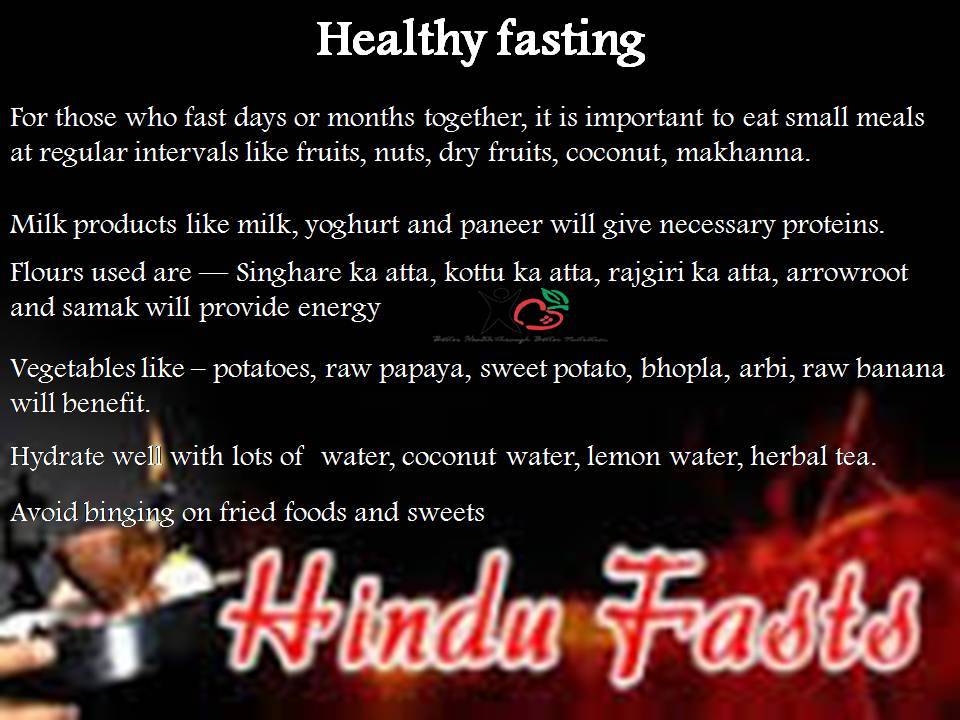
2.It is important to eat small meals at regular intervals like fruits, nuts, dry fruits, coconut, makhanna, to maintain normal blood glucose levels.
Slide3
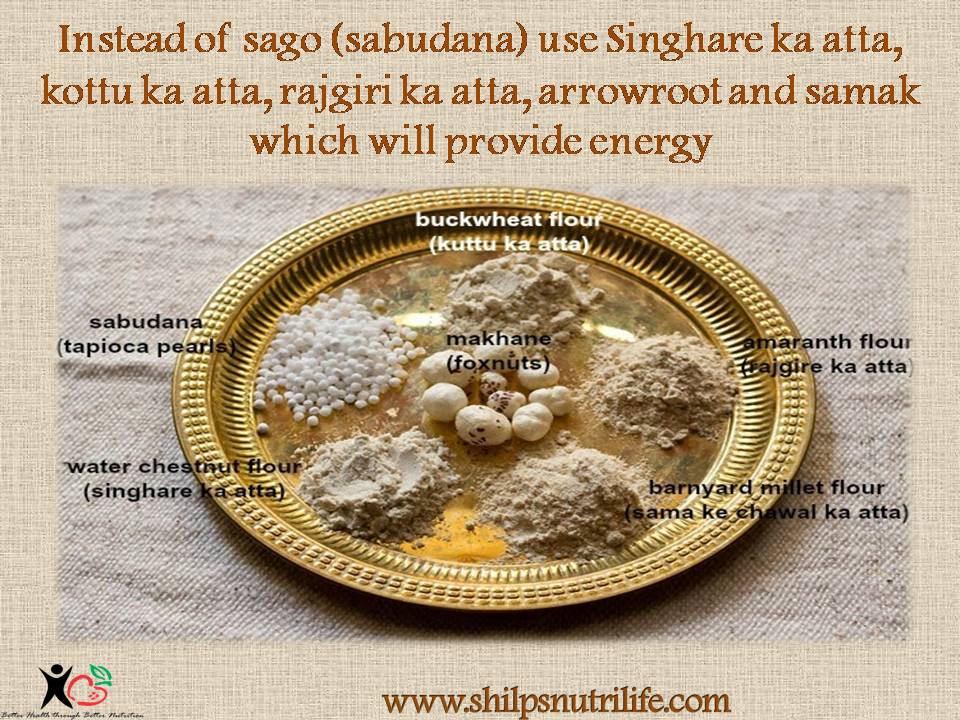
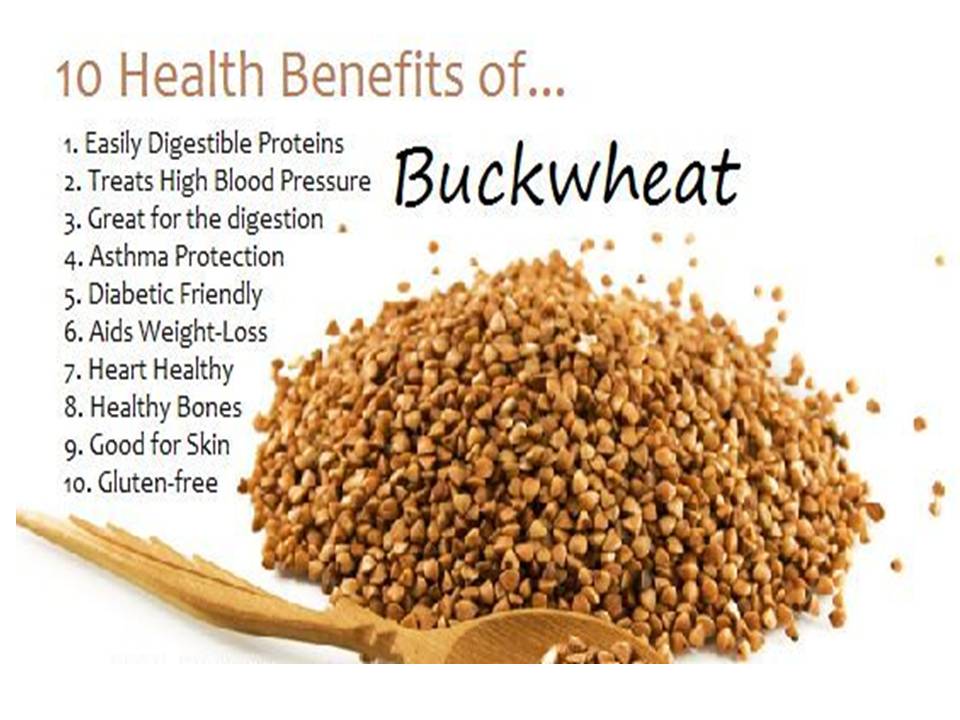
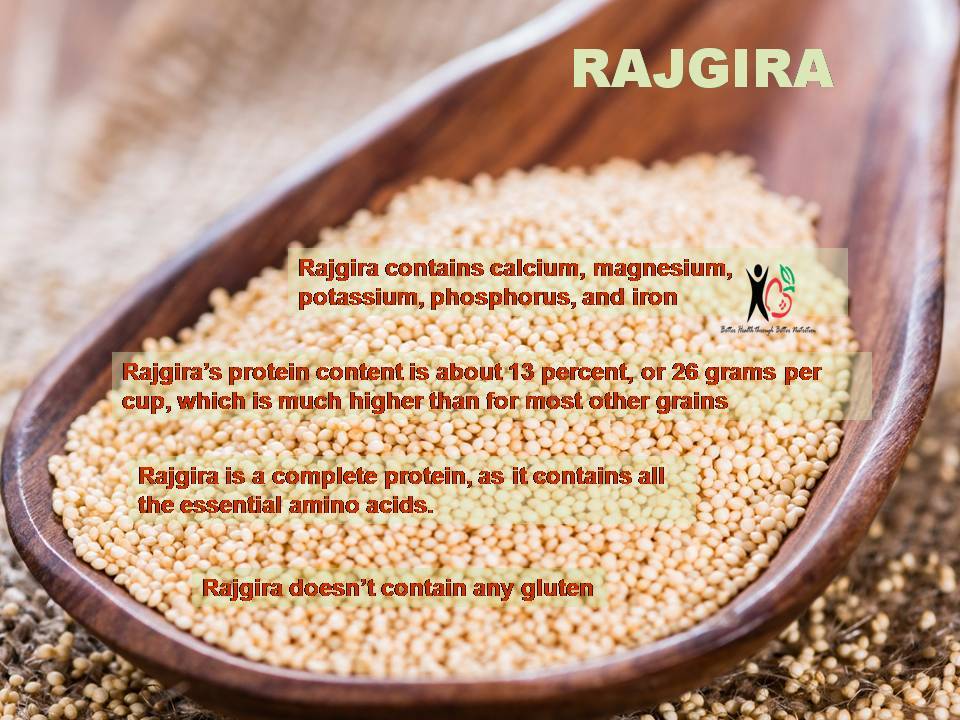
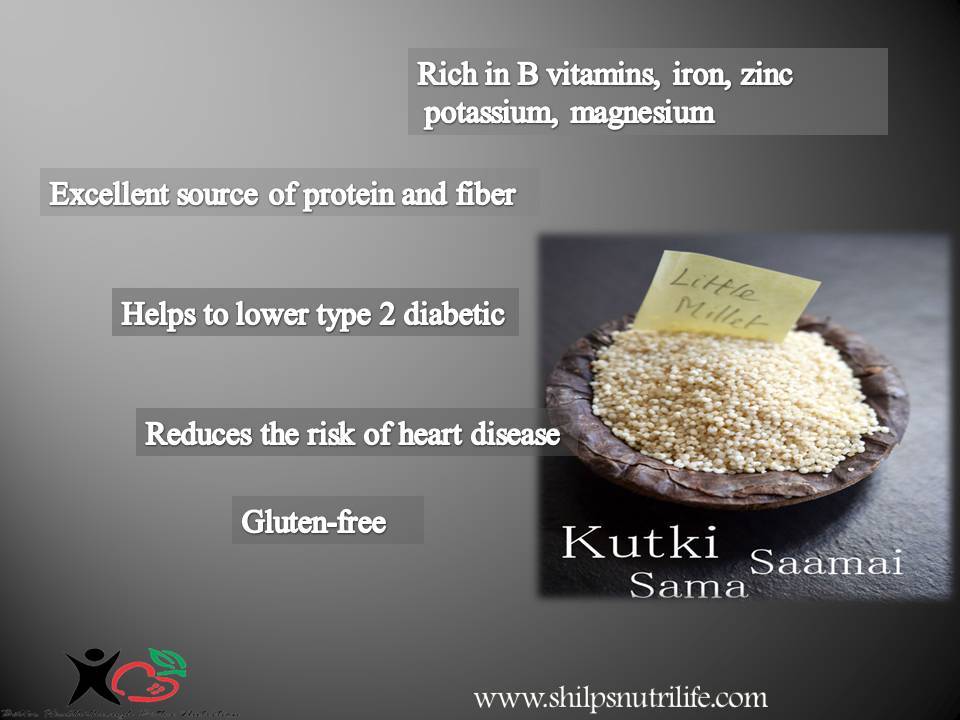
3.Instead of sago (sabudana) use Singhare ka atta, kottu ka atta, rajgiri ka atta, arrowroot and samak which will provide energy.
Slide4Slide5
Slide6Slide7
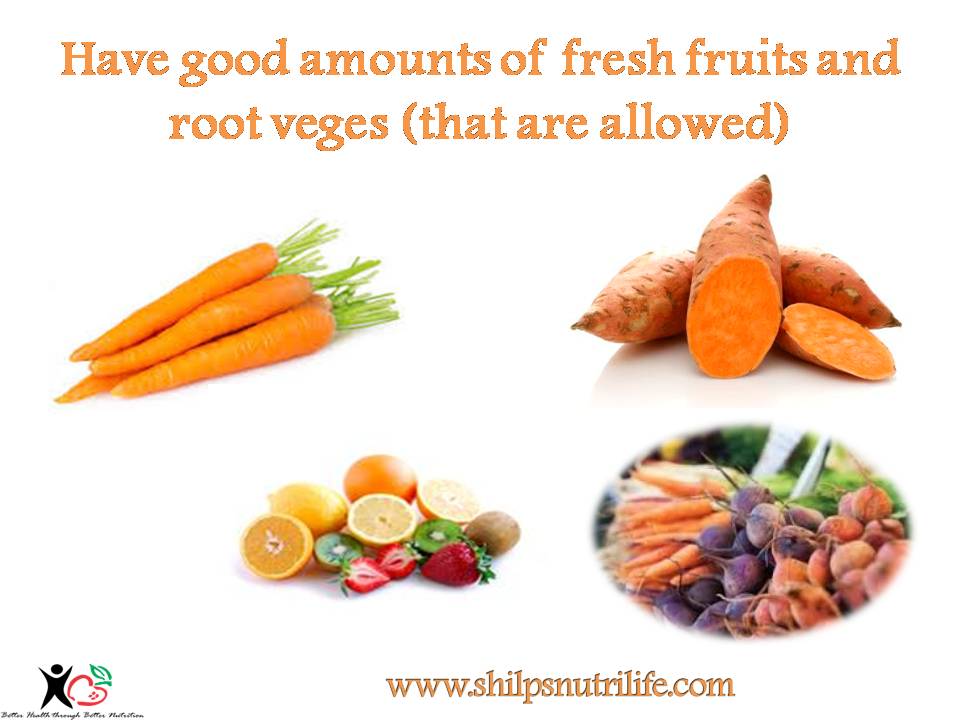
4.Have good amounts of fresh fruits and root veges (that are allowed).
Slide8
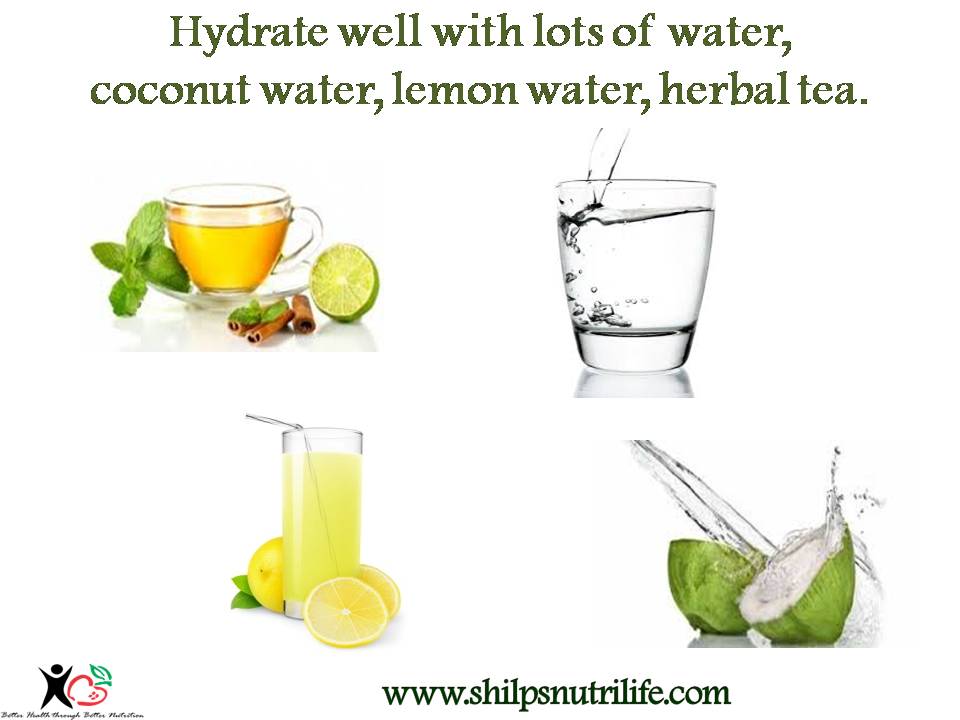
5.Hydrate well with lots of water, coconut water, lemon water, herbal tea.
Slide9
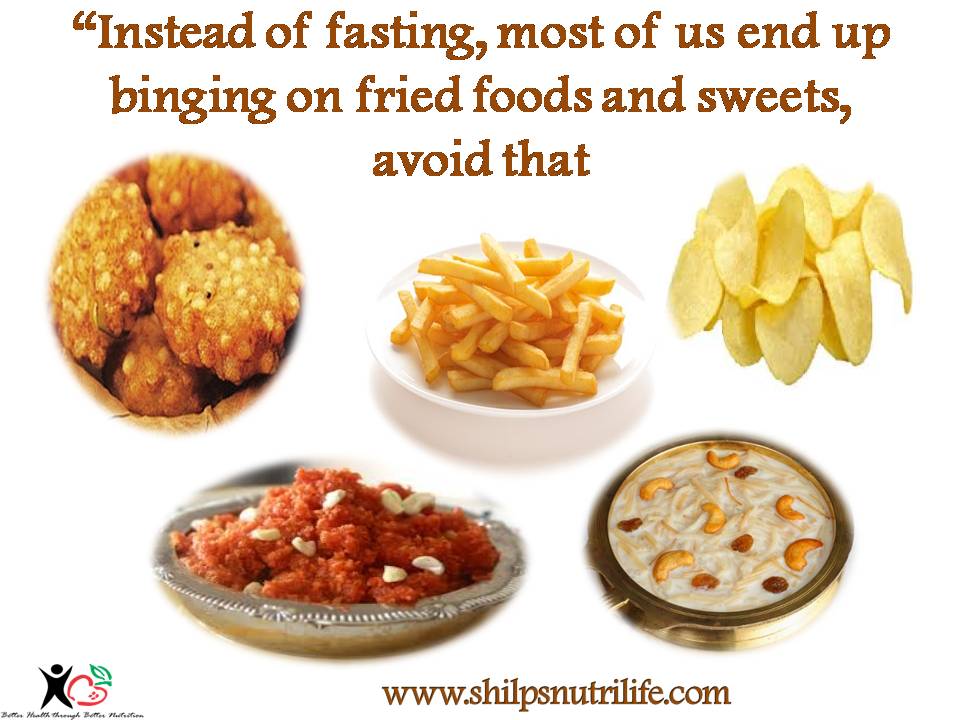
6.Instead of fasting, most of us end up binging on fried foods and sweets, avoid that.
Slide10
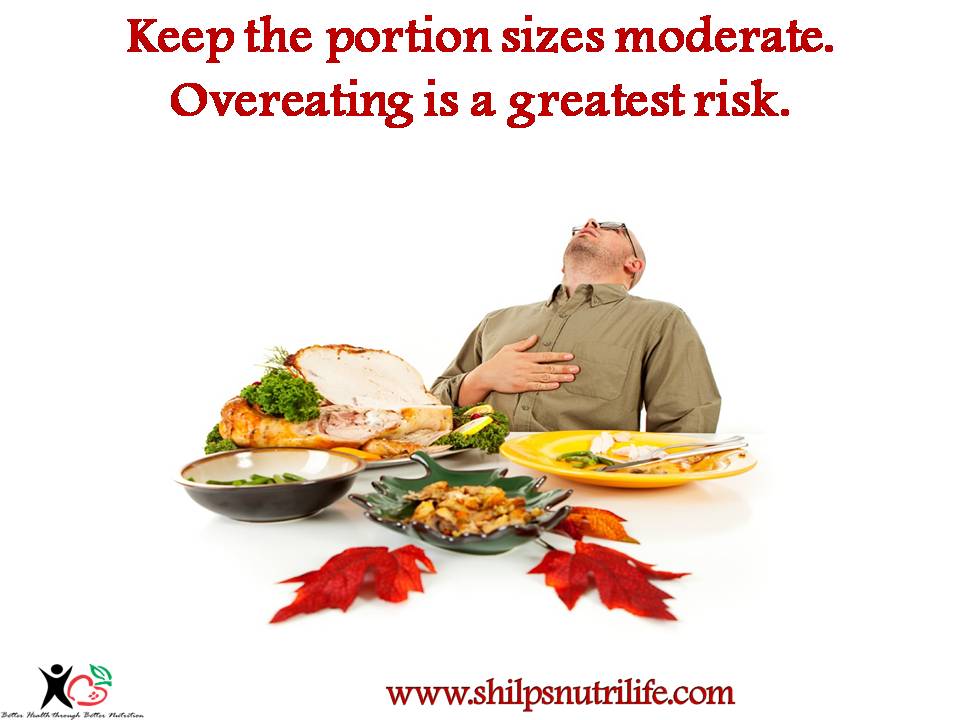
7.Keep the portion sizes moderate. Overeating is a greatest risk.
Slide11
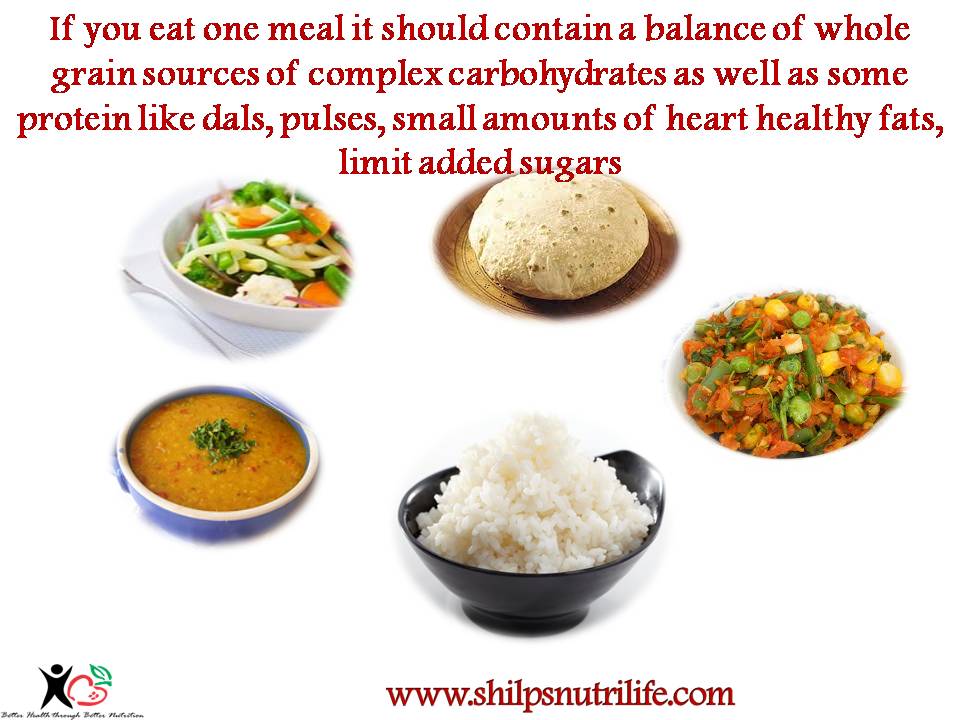
8.If you eat one meal it should contain a balance of whole grain sources of complex carbohydrates as well as some protein like dals, pulses, small amounts of heart healthy fats, limit added sugars.
Slide12
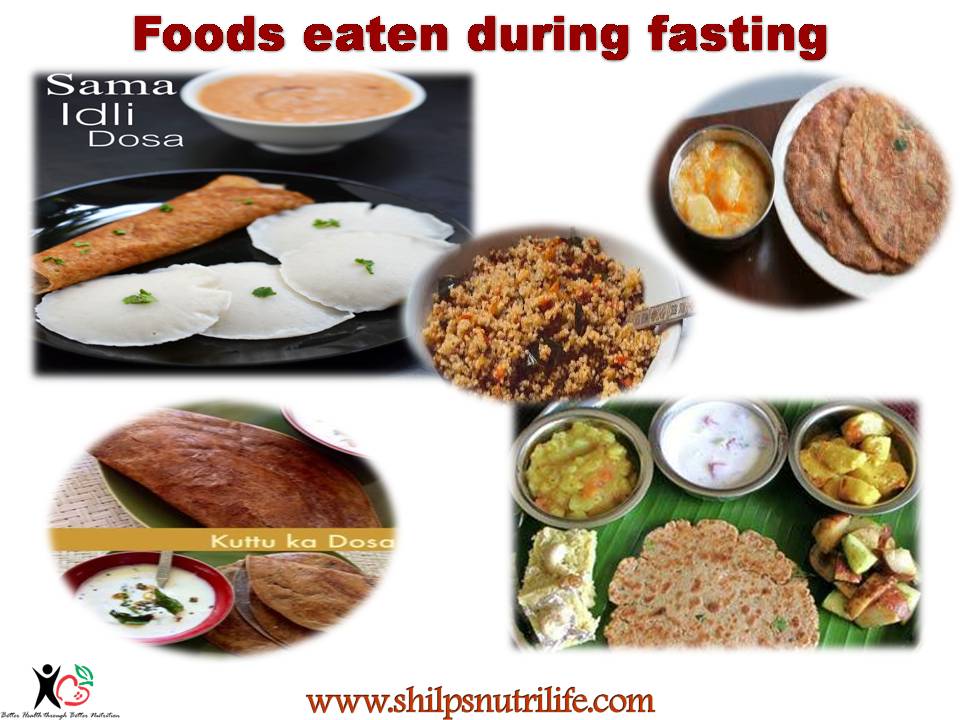
9.Foods eaten during fasting
Slide13
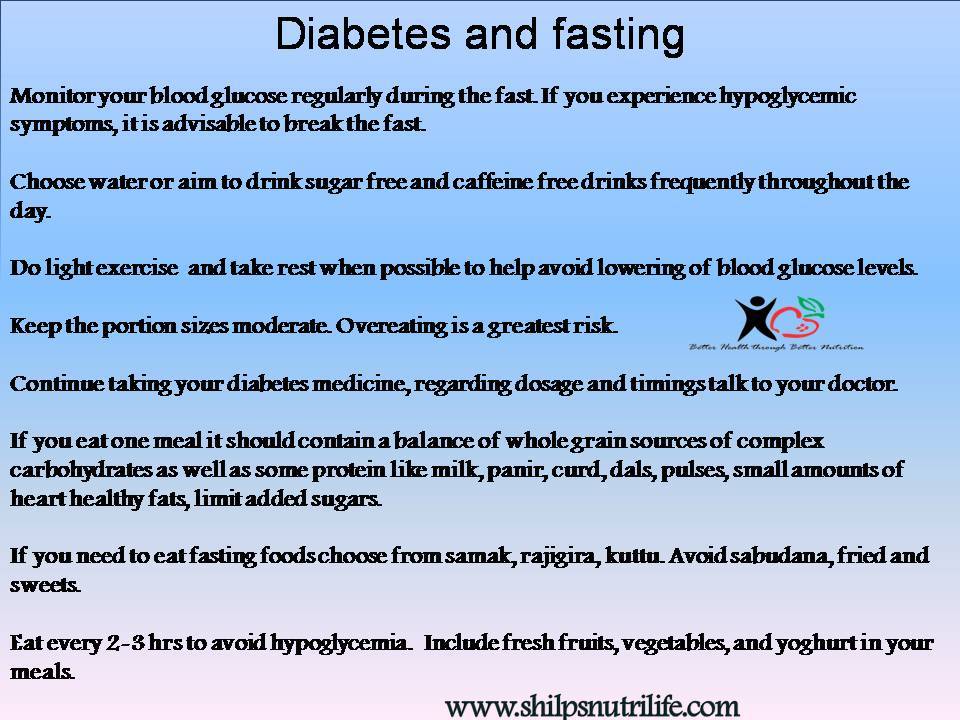
10.Diabetes and fasting
Slide14
11. Summary
Slide15


Mrs Shilpa Mittal
Nutritionist and Diet Consultant
Founder Shilpsnutrilife - Diet and lifestylemakeover

Wednesday, 23 October 2013

Reducing Your Breast Cancer Risk - Other Dietary Guidelines

Reducing Your Breast Cancer Risk - Other Dietary Guidelines

Reduce the Amount of Fat You Eat 
Especially fat  from animal sources.  Environmental (and other) toxins accumulate in the fatty tissue of animals (especially red meat). Pesticides used on the food that animals eat, antibiotics that are injected to kill bacteria, and hormones that are injected for maximum growth, are all toxins that  can wreak havoc in a human body. These toxins can encourage the growth of cancerous cells.

 You should also avoid fast foods and junk food, as these contain many toxins in the form of transfats and preservatives.

Establish a Regular Exercise Program 

The biggest key to exercise is regular exercise, because it alters body chemistry in a favorable way to control fat deposits where excess estrogen is stored.

Maintain a Normal Weight 
Women who are of normal weight have a much lower risk of developing breast cancer.  If you are overweight, and especially if you have genetic factors that could pre-dispose you to cancer, consult with a nutritionist or dietician to help you plan a program to achieve permanent weight loss.

Eat  a diet rich in  B-Complex vitamin as it aids in the essential breakdown of female hormones (estrogen) by the liver.
Choline a  kind of B vitamin found in eggs, lean meat, fish, collards, and beans that has been shown to reduce cancer risk by 24% in women

Deficiencies in vitamin D have been found to possibly lead to cancer. You can increase your intake of vitamin D with a supplement, small amounts of sun exposure (with sunscreen protection), and by enjoying vitamin D fortified low-fat milk

CoQ10  Works as a powerful antioxident, increases energy at the cell level, and also boosts your immune system, which helps fight both the causes of cancer and the growth of existing cancer. It is produced in the body, but also found abundantly in organ-meats and tuna

Establish Healthy Eating Habits 
A good start would be to cut way down on fatty and/or sugary foods and drinks, replace the red meat you eat with fish, chicken or turkey, and up your intake of fresh fruits and vegetables.  Your health depends on it!


Mrs Shilpa Mittal Nutritionist and Diet Consultant Founder Shilpsnutrilife - Diet and lifestylemakeover

Saturday, 13 April 2013

Recipe for fast - Samak ke chawal

                                            Samak ke chawal

This is one of the healthy food recipe which u can enjoy even if u are not fasting. It will take maximum of fifteen minutes in preparing this dish and you wont feel hungry for 3-4 hours at least.
Here goes the spicy rice recipe


Ingredients:-
Serves - 2-3
1/2 cup of samo rice(Samak ki chawal/samak rice)
1tsp ghee

2 chopped green chillies

1 tsp cumin seeds

1 tsp kala namak(rock salt)

1 or 2 boiled potato (diced)

1.small cinnamon stick

2 cloves

1 bay leaf

1 black cardamom

half cup roasted peanuts(Grind them in a mixer for few seconds)

4-5 curry leaves

Coriander leaves for garnishing

 
Method :-
Step1. Take a pan and add ghee in it.Add cumin seeds, cloves, bay leaf, cardamoms and cinnamon.Stir till u start getting the aroma.
Step2
- Add in curry leaves, peanuts, potato and rice.
Step3 – Add salt, black pepper powder and 2 cups of water.
Step4 – Lower the flame and simmer for about 15 minutes or till whole of the water is absorbed.If you think that rice is not cooked properly than add more water and cook for a while.

Garnish with coriander leaves and serve it hot .If you are serving it to kids then drop a 1tsp of ghee above it.


Sunday, 3 February 2013

WORLD CANCER DAY - CANCER PREVENTION

World Cancer Day 4th feb 2014


CANCER PREVENTION

CONCERNED about cancer prevention? Take charge by making small changes in your daily life, from eating a healthy diet to scheduling regular cancer screenings.


Here are some pointers to help you cut your cancer risk

Dairy products: drinking one cup of skimmed milk a day cuts your risk of ovarian cancer by 40 percent. Dairy products (especially when combined with vitamin D) are also linked to a lower risk of developing colorectal cancer.


Eggs: women consuming six eggs a week cut their risk of breast cancer by 40 percent.


Green Tea: two cups a day can cut your risk of digestive cancers by 32 percent, and can also reduce your risk of skin, lung, kidney and liver cancers.

Some other foods
Tomatoes- Tomatoes are rich in lycopene, which fight against prostate, ovarian, and cervical cancer. Lycopene, an anti-oxidant, shields our body cells from oxidants that have been related to cancer. 


Soybeans- Soybeans contain flavones which work against of breast and prostate cancer. 


Garlic- Garlic contains allixin, allicin,  allyl sulfides, quercetin and organosulfur compounds, garlic prevents the body from bladder, prostate and colon cancer.


Berries- Vitamin C present in berries cuts down your chance of cancer of the esophagus, while ellagic acid present in raspberries protects against skin, lung and bladder cancer. Berries such as strawberries and blueberries are also rich in cancer fighting compounds called phytochemicals.


Broccoli sprouts- Broccoli sprouts contain sulforaphan which makes them an anti cancer food. Sulforaphane is a plant chemical which lowers the chances of skin, breast and stomach cancer.


Spinach- Spinach contains lutein and vitamin E. These guard the body against liver, prostate and ovarian cancer.  


Walnuts- Walnuts contain the nutrient, gamma tocopherol. This nutrient is a form of vitamin E and protects the body from having prostate and lung cancer.


Turmeric (Curcumin)
Among the most currently researched of cancer fighting foods, turmeric has repeatedly been shown to be an effective cancer-fighter and even block cancer growth. Previously found to reduce tumors by an astounding 81%,  the naturally occurring compound found in turmeric, curcumin, exhibits numerous anti-cancer properties.


Exercise: working out 30 to 60 minutes per day protects against bowel and breast cancers.


And, breastfeeding for at least six months has been shown to reduce risk of both breast and ovarian cancer by about 7 per cent for every baby you feed.
 
                 Eat wisely and starve cancer cells in your body.
EAT HEALTHY STAY HEALTHY

Wednesday, 21 March 2012

Foods to prevent sunstroke

Foods to prevent sunstroke

The blazing hot sun of summer brings sunstrokes. These foods can help you protect yourself

Nature bestows its right foods to help the body beat the heat. Being outdoors and working all day can lead to sunstroke and dehydration. The following foods should be included in your daily diet during the summer months.


Raw mango

 It is excellent for preventing sun stroke. Also, it is high in Vitamin C thereby increasing immunity and preventing the common summer cold. It helps in preventing anaemia, TB and typhoid. Ever wondered how essential your aam ka achaar and kachi kairi (raw mango) ki chutney and panha is in the summer? No wonder the housewives are busy stocking these up! Add raw mango to your salad, poha, upma or chew on it raw with a little salt and red chilli powder.


 Buttermilk

 Sweating, muscle cramps, nausea, headaches, sunburn – sip on the buttermilk, whipped yoghurt with chilled water garnished with cumin and mint. It is a good cure for summer diarrhoea caused due to excessive heat. Its pro-biotic properties suit the intestinal tract.
 
Coconut water
Rightly called the ‘fluid of life’ coconut is a wonder food. Tender coconut water is the natural isotonic beverage with almost the same level of electrolyte balance as we have in our blood. Here is how it is excellent for the summer:
  • Oral rehydration medium – high in magnesium, potassium, saline and natural sugar. Popular with athletes.
  • Keeps the body cool.
  • Application on the body prevents prickly heat and summer boils and subsides the rashes. 


 Onions
Onion due to its high sulphur content prevents body fevers that can be caused due to sun stroke. Farmers in Gujarat and Rajasthan keep an onion below their cap to keep the heat from getting to them.

Lemon
Extremely great for the summer, it is worth squeezing a lemon to make a fresh-fruit drink because lemon ranks high as a health food. It contains very few calories. A low intake of vitamin C makes people more susceptible to infection and lemon is high in Vitamin C content. You can get rid of dizziness or nausea, which is common during the summer due to the scorching sun, by sucking on lemon or sipping its juice.

Lemon juice also makes an effective thirst-quenching drink in fevers, measles, and pox. Lemon is regarded as a youth restorative.

HYDRATE WELL THIS SUMMER TO KEEP STROKE AT BAY  


Friday, 3 February 2012

CANCER PREVENTION - WORLD CANCER DAY

World cancer day 4th feb 2013 

CANCER PREVENTION

CONCERNED about cancer prevention? Take charge by making small changes in your daily life, from eating a healthy diet to scheduling regular cancer screenings.

Here are some pointers to help you cut your cancer risk

Dairy products: drinking one cup of skimmed milk a day cuts your risk of ovarian cancer by 40 percent. Dairy products (especially when combined with vitamin D) are also linked to a lower risk of developing colorectal cancer.


Eggs: women consuming six eggs a week cut their risk of breast cancer by 40 percent.


Green Tea: two cups a day can cut your risk of digestive cancers by 32 percent, and can also reduce your risk of skin, lung, kidney and liver cancers.


Exercise: working out 30 to 60 minutes per day protects against bowel and breast cancers.

And, breastfeeding for at least six months has been shown to reduce risk of both breast and ovarian cancer by about 7 per cent for every baby you feed.

EAT HEALTHY STAY HEALTHY


Wednesday, 19 October 2011

Reducing Your Breast Cancer Risk


Reducing Your Breast Cancer Risk


The month of October is NATIONAL BREAST CANCER AWARENESS MONTH. The pink ribbon is an international symbol of  breast cancer awareness. 

Your risk of developing breast cancer is highest if you are post-menopausal and overweight (25% above your ideal weight).  If this is you, now is the time to make some serious changes in your lifestyle pertaining to diet and exercise weight loss.  If you gained weight at around age 30 of 10 pounds, your risk is increased by 23%, 15 pounds – 37% and an increase of 20 pounds – 52%.  This isn’t meant to scare you, just to open your eyes and take a good, honest assessment of your risk.  There are good ways of reducing your breast cancer risk – and feel better all around.

Foods to prevent breast cancer


·      Pumpkins, yellow peppers and cantaloupe melons: 
Orange or yellow coloured fruit and vegetables are a rich source of betacarotene - which is the precursor of vitamin A and a potent antioxidant which helps fight off highly-reactive molecules that can harm our body and lead to severe diseases such as breast cancer. 

Recommended dose: Five portions a day (80 grammes per portion) to help protect against breast cancer. Between seven and ten portions a day if breast cancer has already developed.

·         Oily fish: 
Oily fish such as mackerel, sardines, trout and salmon have all been linked to a lower incidence of breast cancer. This is thanks to the presence of omega-3 fats. 
Recent findings have revealed that Omega-3 oils prevent or slow down the growth of cancerous tumours and also boost our immune system
Recommended dose: Three portions of fresh oily fish each week

·         Pulses, wholegrains: 
Fibre contained in pulses and wholemeal foods help excrete oestrogens out of our bodies. Too many oestrogens from our own hormones and hormone-like substances found in plastics and chemicals can trigger cell division in our breast tissue. Evidence shows that too much cell division can lead to breast cancer. 

Fibre can help keep breast cancer at bay because it helps eliminate excess oestrogens from our body and prevents reabsorption of oestrogens in our intenstines. 
A high fibre diet also helps maintain a healthy gut. This is because soluble fibres create 'friendly bacteria' needed to fight off bad bacteria - meaning that your body is less exposed to harmful toxins that could cause cancer. 
Recommended dose: A cupful - or around 7oz - of pulses a day.
    
·       Cabbage: 
Broccoli, brussel sprouts, cauliflower and kale - all members of the cabbage family are said to be highly toxic towards cancerous cells. This is because they contain cancer-fighting compounds known as indole-3-carbinol which is thought to deactivate oestrogen, and in turn, help reduce the risk of breast cancer. folic acid has been found to prevent and destroy cancer cells.


The sulphurophanes found in broccoli, which are responsible for its bitter taste, have been shown to improve the performance of enzymes in the liver which help detoxify our body. Levels of this vital enzyme are found to be low in women with breast cancer. Radishes, swede and turnips are also believed to be effective cancer fighting vegetables. 
Recommended dose: Five portions a day (80 grammes per portion) to help protect against breast cancer. Between seven and ten portions a day if breast cancer has already developed.

Almonds
Eating almonds on a regular basis may have a positive effect in the fight against breast cancer for two reasons. Almonds are high in monounsaturated fat, which is considered to be healthy. They are also high in flavonoids. Flavonoids are implicated in the natural removal of cancer-causing agents in the body.

Flax seed  
Flax seed – contains the phytoestrogen lignan that shows promise in diminishing 
the onset of estrogen-stimulated breast cancer

Garlic
Garlic is an herb that is integral to many delicious cuisines throughout the world, especially in Italian food. It gives food a distinctive flavor and also has the benefit of lowering rates of breast cancer. It contains dialyl sultides or allium compounds, which have been shown to enhance the activity of immune cells that fight cancer.

Green Tea
Green tea is loaded with Polyphenol antioxidants like Flavonoids, Bioflavonoids, and Isofavonoids
which have been found to enhance the activity of white blood cells and boost our bodies’ defenses against a broad range of illness, including many types of cancer (including breast cancer).
Friday, 30 September 2011

Navratri Specials (Food Eaten During Navratri)


Navratri Specials (Food Eaten During Navratri)

  With the onset of Navratras, it's again the time to fast. "Instead of fasting, most of us end up feasting on high-calorie food. A lot of people who have just one meal a day tend to overeat. If one eats one heavy meal in the entire day, it doesn't get converted into energy instantly but accumulates as fat in the body,'' For those who fast all nine days, it is important to eat small meals at regular intervals.

Following are a few tips which should of help:- 

1.No onion and garlic are used in the food during nine days 

2. No chemical salt but only rock salt is used 

3. Spices used are red chillies, cumin, black jeera, turmeric, choti elachi, saboot kali mirchi, khuskhus and water melon seeds

4. Fresh coriander, green chillies and ginger are used

5. Fruits, nuts, dry fruits, coconut, makhanna can be used


6. Milk products like milk, yoghurt, cream and paneer are used
 

7. Flours used are -- Singhare ka atta, kottu ka atta, rajgiri ka atta, saboodana   arrowroot and samak

8.Limited amounts of oil and ghee can be used to cook food

9. Vegetables used are – potatoes, raw papaya, sweet potato,bhopla,arbi,raw banana

10.One should drink lots of  water, coconut water, lemon water, herbal tea to keep the body hydrated.